
Asphalt Crack Filling and Crack Sealing in Lansing, MI
Lansing Best Asphalt Paving seals and fills cracks in asphalt driveways and parking lots. Some cracks open and close with the seasons. Those get a hot rubberized sealant that stretches with them, while ones that hardly move get a cheaper filler, poured after the crack is blown out and dried. Okemos and East Lansing are a short drive, and so are Holt, DeWitt, Grand Ledge, Dimondale and Mason.
Request a quote
Your name, your number and the street the pavement is on. A callback follows.
Repairing or closing a crack in an asphalt driveway immediately will most likely save the driveway from further cracks. This is where water can get into that crack and soften the stone base below. That makes a large portion of your driveway unstable and causes more cracks.
- Each crack judged moving or still first
- Cracks blown clean and dried so the sealant bonds
- Moving cracks routed where it lengthens the seal's life
- Sealing set for cool spring and fall days
Estimate the crack work
Typical prices per linear foot for Lansing jobs. Your quote follows a look at the job.
$75 to $450
Call (517) 878-2459 for your priceAt a glance
| Item | Typical figure |
|---|---|
| Crack filling or sealing | $0.50 to $3.00 per linear foot |
| A crack counts as working | Moves more than about 1/8 inch a year |
| Best air temperature to seal | About 45 to 64 F, spring or fall |
| Rubberized sealant, routed crack | 5 to 9 years |
| Seal coat with the crack fill, 600 sq ft | $990 to $2,010 |
Crack Sealing and Filling Services
Driveway Crack Sealing
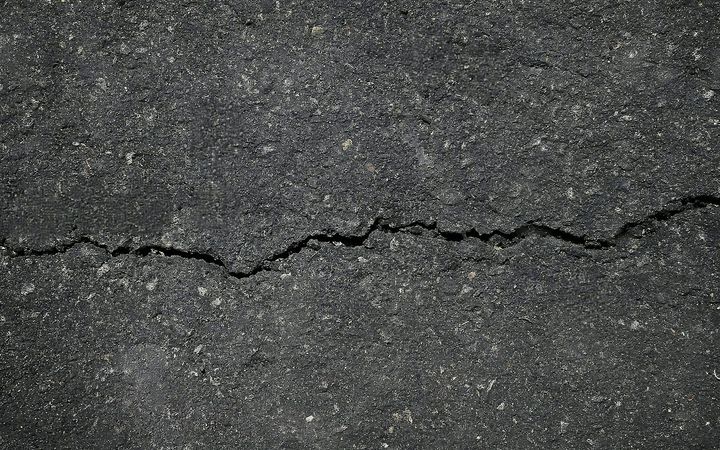
Cracks running across a driveway are usually the ones that move. Cold pulls them open, and summer closes them. Hot rubberized sealant in a clean, dry crack grips both sides and stretches with it through a Lansing winter.
Crack Filling for Still Cracks
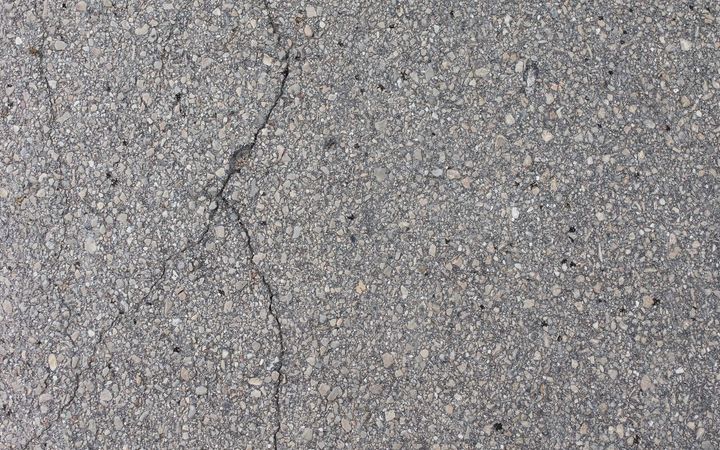
Cracks along the length of a drive, or along a paving seam, often barely move. A filler poured flush keeps water out at a lower cost a foot. A plain one lasts one to two years; rubber- or fiber-modified fillers hold up 6 to 8 years in FHWA's figures.
Routing Moving Cracks
A router cuts an even channel along the crack, so the sealant sits in a proper reservoir. FHWA's study put rubberized sealant in routed cracks at 5 to 9 years, against 2.5 to 5 banded over an uncut crack.
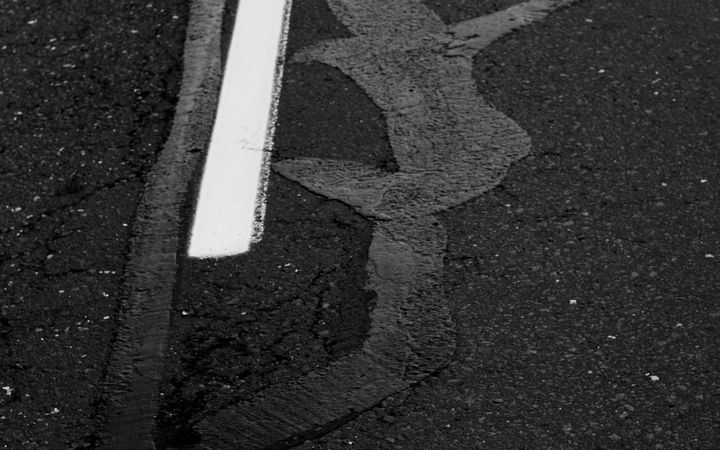
Parking Lot Crack Sealing
On a lot, cracks get sealed section by section so the business stays open, and always before a seal coat or restriping. Where cracks have linked into small blocks, that area is marked for a patch instead.
Other Crack Work
Cracks Before a Seal Coat
A seal coat is too thin to close a crack. Unsealed, the cracks keep taking water under the fresh black coat.
Alligator Cracking
A web of small connected cracks means a failed base, so it gets a saw-cut patch, not sealant.
Crack Sealing or Crack Filling?
Crack sealing is used when a crack in the pavement moves more than one-eighth of an inch per year. These cracks open and close with extreme heat and extreme cold. When you have this kind of moving crack, a sealant that is rubbery and can stretch as the crack opens and closes keeps it sealed, because the rubbery sealant moves in and out with the crack. That makes it a perfect fix for this type of crack. Crack filling is a plain filler for cracks that stay the same width. In other words, they don’t move around like the other cracks. They stay the same distance apart, so a solid filler can be used instead of a rubbery sealant. If the pavement is broken, a patch replaces the broken area instead of a sealer or a filler. Sealing can be done on cracks up to three-quarters of an inch, typically.
How Asphalt Cracks Are Sealed
Walk the pavement and map it
Each crack is checked for direction, width and broken edges. A web of small blocks is marked for patching.
Cut where it pays
Moving cracks are routed into an even channel with sound walls. Narrow, still cracks are left uncut.
Blow it out and dry it
Filtered compressed air or a hot-air lance clears dirt and weeds and dries the walls. FHWA’s manual notes that moisture can seriously inhibit bonding, so a damp crack waits.
Pour the material
Hot rubberized sealant from a heated kettle goes into working cracks, filler into still ones. An uncut crack gets a thin band squeegeed over its edges.
Let it set before traffic
On a lot, the section stays coned off until the sealant firms up.
When to Seal Cracks in Lansing
The best time to seal moving cracks in Lansing is spring or fall, on days of about 45 to 64 F, FHWA’s range. Then the crack sits near the middle of its width.
Fall matters most here. Lansing’s airport records about 90 days a year that drop below freezing at night and rise above it in the day. Each one lets water in an open crack pry the asphalt apart. A crack sealed in October goes into that winter closed.
If you have a 10-year-old driveway with about 100 feet of cracks, seal them immediately at a small cost. Then adding a seal coat over this part of the driveway should give many more years of life to the driveway before any more work is needed.
What Crack Sealing Costs in Lansing
Where the drive also gets a seal coat, the two together run $990 to $2,010 for a 600 square foot Lansing driveway.
| Work | Typical range |
|---|---|
| Crack filling or sealing, per linear ft | $0.50 to $3.00 |
| Seal coat and crack fill, 600 sq ft | $990 to $2,010 |
| Service fee per visit | $100 to $250 |
| One pothole, for comparison | $100 to $400 |
| Saw-cut full-depth patch, per sq ft | $4 to $12 |
Every other row is a national range, read in 2026. The seal coat row is the zip 48912 figure for 2026, crack filling included, at basic labor rates on a simple site. The last two rows show what an unsealed crack can turn into. The firm number comes after the cracks have been walked and measured.
What affects the price
Every job is quoted after we see it. These are the things that move the number up or down.
Routing
Cutting a clean reservoir along a moving crack adds machine time, and FHWA's figures show it about doubles the seal's life
Material
Rubberized sealant costs more than plain emulsion filler and is the one that stretches when a crack opens in the cold
Trip fee
A $100 to $250 service charge weighs heavier on a short run of cracks than on a long one
Broken edges
Cracks whose sides are crumbling past the point sealant can bridge get patched instead, at $2 to $12 a square foot
Seal coat on the same visit
Sealing cracks right before a seal coat shares one setup
Crack Filling and Crack Sealing in nearby areas
Crack Filling and Crack Sealing FAQs
How much does crack sealing cost per foot?
Crack sealing runs about $0.50 to $3.00 per foot. There is typically a service fee of $100 to $250. This can be paired with a seal coat or a patch, depending on what the pavement needs.
Can I fill driveway cracks myself?
Yes, if these are narrow, still cracks that don't move. Make sure you sweep the cracks and get all the debris out thoroughly, then let them dry. Be sure to use the right filler for the right type of crack.
How long does crack sealing last?
Filling a crack usually lasts one to two years, while sealing a crack can last as much as three to eight years if done properly. Rubberized sealants can last up to nine years.
Can cracks be sealed in cold weather?
Filling a crack can often be done between 36 and 55 degrees Fahrenheit. Sealing a crack is best done between 45 and 64 degrees Fahrenheit. The crack must be free of any moisture before any sealing or filling is done.
Why is my asphalt driveway cracking?
Asphalt shrinks in cold weather and expands when it gets hot. Cracks usually show up two to seven years after the pavement is applied. If it's cracking sooner than that, the base needs to be checked.
Is crack sealing worth it on an old, badly cracked driveway?
If the pavement is cracked all over most of the driveway, then it may be time for an overlay. Overlays should only be done when you are sure that the base under the pavement is still solid.
Get a quote on your crack filling and crack sealing
Tell us roughly how big the driveway or lot is and what you see on it: cracks, low spots, crumbling edges, potholes. We call back with the fix that fits and a ballpark for it.
Request a quote
A call to (517) 878-2459 gets you a ballpark soonest. Or send the form and we phone you back.