
Driveway Resurfacing and Overlay
A new layer of asphalt over a Lansing driveway whose base still holds, milled flush at the garage and apron, or a straight answer that the drive needs replacing.
Lansing Best Asphalt Paving offers asphalt paving in Eaton Rapids, MI, which takes in driveway paving, seal coating and asphalt repair for Eaton Rapids homes.
Request a quote
Your name, your number and the street the pavement is on. A callback follows.
For Eaton Rapids, surprisingly, almost half of the houses were built before the 1940s, which means that there is more than 80 years of history applied to the asphalt near the houses. A lot are having detached garage at the rear of the lot and drive with about one car wide. So we usually work with small paver and roller here, which we slope away from the wall.
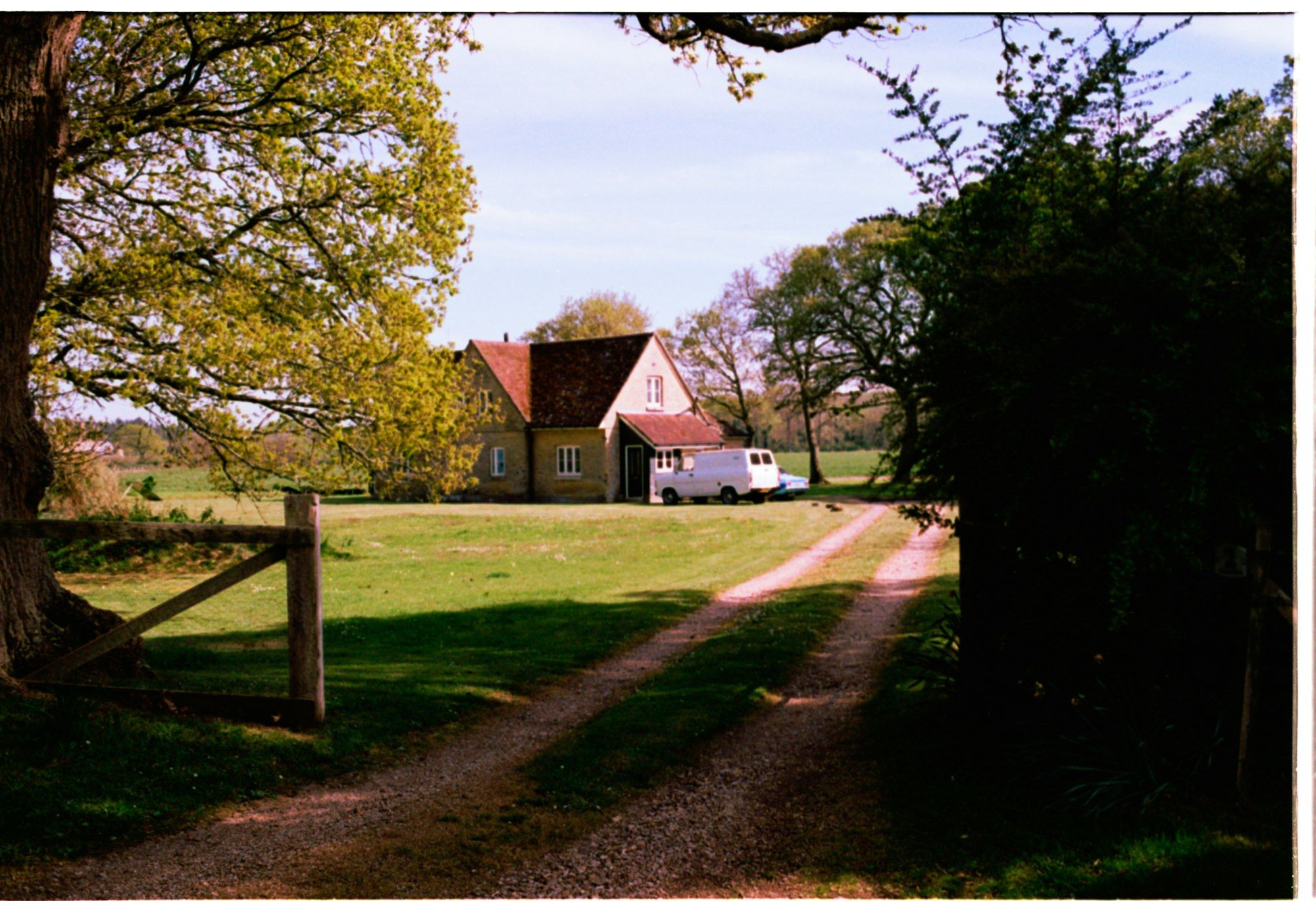
As mentioned before, this area has its own history, and the median house was built around the 1950s. So on average, the asphalt there has lived through 70 winters, and it's quite common for it to need some fixes.
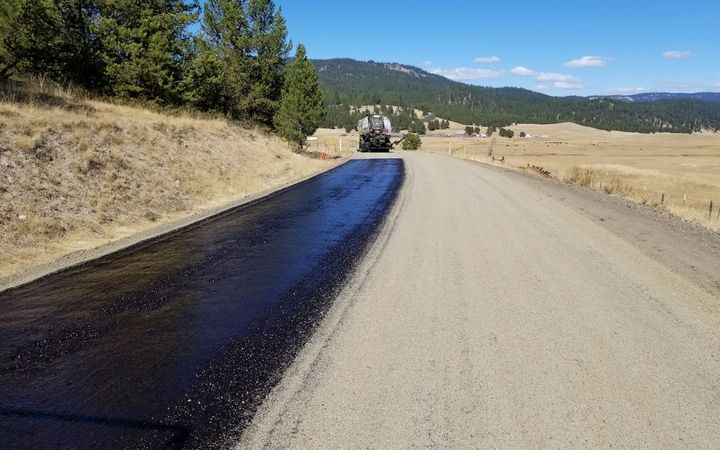
When we do Gravel Drives Paved for the First Time, we first grade the gravel, top it up where it's thin and roll it, and then it becomes part of the base. For a long rural drive, tar and chip or recycled asphalt can be used, because it costs less, and we generally suggest using it and saving some cash.
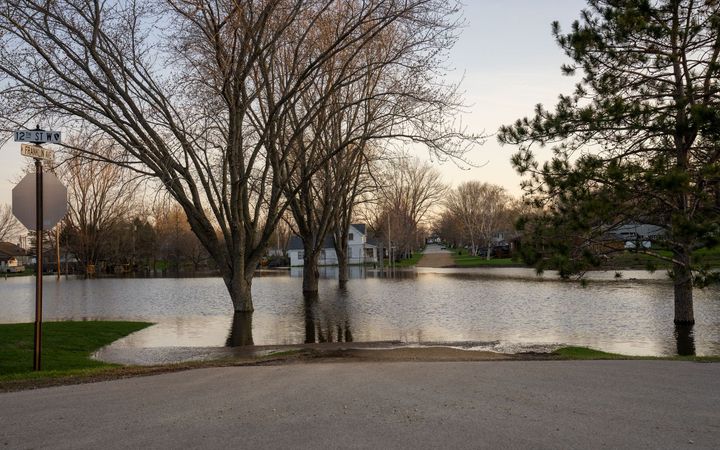
About a quarter of the ground near the center is Wasepi, Matherton or Shoals-Sloan soil. Water sits within 18 inches of the surface, and frost lifts it. Drives there get a deeper base and a crown to shed water.
Downtown, on the island in the Grand River, business lots quite often need repaving. The island was made by a mill race dug in the 1840s, so almost 200 years ago. The lots are small and hemmed in by buildings and water, so they require support. What we do is grade them to the street drains. And if it’s a landlocked lot, then we need to put in a dry well or a planted strip there.
Usually you need a zoning permit plus a driveway permit from the building inspector, under Section 26.20. The approach from the gutter to the sidewalk should be concrete, 6 inches thick at a home, and the asphalt should stop at the sidewalk. If you add parking, then we can use concrete or plant-mixed asphalt. But to repave and restripe a business lot, we also need to get administrative approval at 200 S. Main. And of course, for a county road, we need the county road commission’s permit to do the paving.
M-99 takes us south from Lansing to Eaton Rapids in about 27 minutes, 17 miles by road.
We also serve Dimondale, MI, southwest of Lansing on the Grand River.
Eaton Rapids has a population of about 5,184. Here is what that means for the work we do here.
| Local fact | Detail |
|---|---|
| Homes built before 1940 | 43.5% of the city's 2,347 homes, just above Leslie's 43%. |
| Median year built | The median home in Eaton Rapids dates from 1954 . |
| Main soil near the center | Boyer loamy sand covers about 47% of the square mile around the center; well drained. |
| Wet soils by the river | Wasepi, Matherton and Shoals-Sloan soils, about 25% together, are wet within 18 inches and rated high for frost. |
| Downtown | The business district sits on a Grand River island, hence the nickname Island City. |
| Driveway approach | Concrete between the curb and the sidewalk, 6 inches thick at a home (city standards). |
| County | Eaton County; M-99 runs north to Lansing. |
A new layer of asphalt over a Lansing driveway whose base still holds, milled flush at the garage and apron, or a straight answer that the drive needs replacing.
Tar and chip and recycled asphalt millings driveways around Lansing, the two surfaces that cost far less than hot mix on a long rural drive.
Potholes, alligator cracking, broken edges and low spots on Lansing driveways and lots, cut out and patched in hot mix down to a firm base.
Patching, crack sealing, milled overlays and new asphalt lots in Lansing, priced after the drains and the base have been checked.
Cracks in Lansing driveways and lots blown clean and sealed with hot rubberized sealant, or filled where they barely move, before winter water gets under them.
A loaded box truck or a concrete truck can crack a drive built for cars, most often at the edges and at the apron. Ask large trucks to stay on the street, or have a thicker base laid where they will turn in.
Yes. A pad off an alley gets the same stone base as a drive. We check where the alley drains first, so the pad does not send water into the neighbor's yard.
Right up to the foundation. We leave a small gap there and seal it, so rain does not run down into the basement.
Yes, it can on the hottest days. A kickstand, a car jack or a turned wheel can dent it. But after the first year or two, the asphalt is firmer and does not get soft so easily in summer.
We usually regrade the base to send water to the side. But if there is no room for that, we usually put a trench drain across the drive at the door.
First of all, the grass and soil are going to be stripped out, and stone across the full width will be packed. Then we apply the asphalt on top of it.
Tell us roughly how big the driveway or lot is and what you see on it: cracks, low spots, crumbling edges, potholes. We call back with the fix that fits and a ballpark for it.
A call to (517) 878-2459 gets you a ballpark soonest. Or send the form and we phone you back.